What Is Logistics? Types & Examples in India | Jyoti Freight
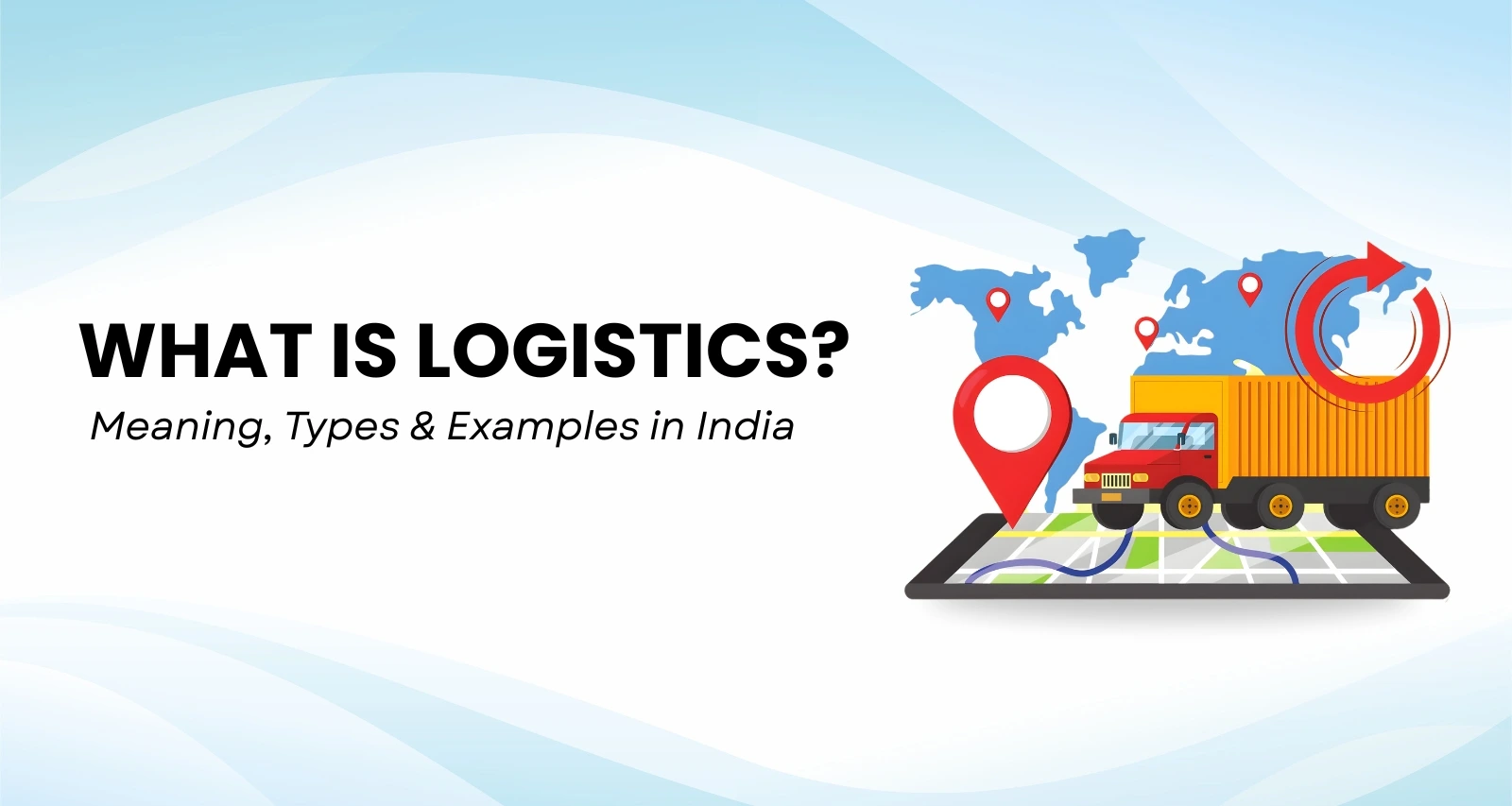
What Is Logistics? Meaning, Types & Examples in India
Logistics is a word most of us hear regularly especially in business, transport and eCommerce but many people still ask, what is logistics and how does it actually work in real life?
In simple terms, logistics is the process of planning, managing and moving goods from one place to another efficiently. It includes transportation, warehousing, inventory control, packaging and delivery. Whether it’s a small business shipping products to customers or a large company moving goods across states, logistics plays a central role.
In this detailed guide, we’ll understand what is logistics with examples in India, explore different models like 3PL logistics and 4PL logistics, compare inbound vs outbound logistics examples and break down the logistics management process step by step all in clear and practical language.
Meaning of Logistics in Business
The meaning of logistics in business goes beyond transportation. It refers to the complete coordination of resources, goods and information so that products reach the right place, at the right time and at the right cost.
In business operations, logistics includes:
- Procurement of raw materials
- Storage and warehousing
- Inventory tracking
- Order processing
- Transportation and distribution
- Final delivery to customers
For example, if a textile manufacturer in Surat supplies garments to Delhi retailers, the process of collecting goods, storing them, transporting them safely and delivering them on time is logistics.
Real-World Logistics Examples in India
- Example 1: eCommerce Delivery
When you order a mobile phone from an online marketplace, the product moves from a warehouse to a sorting center, then to a delivery hub and finally to your home. Every step involves logistics coordination.
- Example 2: Agriculture Supply
Farmers in Punjab send wheat to food processing plants in Maharashtra. Transport trucks, storage facilities and distribution networks work together that’s logistics in action.
- Example 3: Pharmaceutical Distribution
Medicines manufactured in Hyderabad are distributed across India using temperature-controlled vehicles. This is an example of cold chain logistics.
How Goods Move Across India
Understanding how logistics works in India requires looking at the complete movement cycle:
- Procurement of raw materials
- Storage in warehouses
- Transportation via road, rail, air or sea
- Distribution to wholesalers or retailers
- Final delivery to customers
India relies heavily on road transportation, but railways and ports also play a significant role. The development of highways, dedicated freight corridors and digital tracking systems has improved logistics efficiency.
India’s logistics infrastructure includes:
- National highways
- Inland container depots
- Warehousing parks
- Cold storage facilities
- Ports like Mumbai and Chennai
- Airports for cargo services
Different Logistics Functions Used by Indian Businesses
- 1. Inbound Logistics: Inbound logistics focuses on receiving raw materials from suppliers.
- 2. Outbound Logistics: Outbound logistics deals with delivering finished products to customers. Using the same car manufacturer example, shipping completed cars to dealerships is outbound logistics.
- 3. Third Party Logistics (3PL Logistics): 3PL logistics refers to outsourcing logistics operations to specialized service providers. Many businesses hire third party logistics companies to handle warehousing and transportation so they can focus on sales and production.
- 4. Fourth Party Logistics (4PL Logistics): 4PL logistics goes a step further. A 4PL provider manages the entire supply chain network, including multiple 3PL providers.
- 5. Cold Chain Logistics: Cold chain logistics include vaccine distribution and dairy product transportation. These require temperature-controlled vehicles and storage systems.
- 6. Reverse Logistics: Handling returns, recycling or damaged goods falls under reverse logistics.
Logistics Management Explained
Logistics management is the process of planning, implementing and controlling the efficient flow of goods.
- Delivery delays
- Increased costs
- Customer dissatisfaction
- Inventory shortages
Logistics Management Process Step by Step
- Step 1: Planning: Forecast demand and estimate required inventory.
- Step 2: Procurement:Source raw materials or finished goods.
- Step 3: Warehousing: Store goods safely with inventory tracking systems.
- Step 4: Transportation: Select the most cost-effective transport method.
- Step 5: Distribution: Deliver products to wholesalers, retailers or customers.
- Step 6: Monitoring & Optimization:Track performance and improve efficiency.
Supply Chain Management vs Logistics
Many people confuse supply chain management with logistics. Logistics is a part of supply chain management. Supply chain management covers:
- Supplier coordination
- Production planning
- Inventory management
- Logistics operations
- Customer delivery
In short, logistics focuses on movement, while supply chain management focuses on the entire system.
Role of Third Party Logistics Companies in India
Third party logistics companies have transformed the Indian market. Benefits of hiring a logistics company in India include:
- Lower operational costs
- Professional warehousing
- Advanced tracking systems
- Faster delivery
- Scalability during peak seasons
Many businesses search for the best logistics service provider to improve efficiency and customer satisfaction.
Logistics Infrastructure India: Current Scenario
India’s logistics sector is growing rapidly. Improvements in highways, ports, digital tracking and warehousing have strengthened infrastructure India.
Government initiatives like GST and the National Logistics Policy have simplified interstate transportation. Better infrastructure reduces transportation time and increases trade efficiency.
Importance of Logistics in Indian Economy
The importance of Indian economy cannot be ignored. Logistics contributes significantly to:
- GDP growth
- Employment generation
- Export competitiveness
- Industrial expansion
- eCommerce growth
Efficient logistics lowers product costs and boosts economic development.
3PL Logistics vs 4PL Logistics
| Feature | 3PL Logistics | 4PL Logistics |
|---|---|---|
| Scope | Transportation & Warehousing | Entire Supply Chain |
| Control | Operational | Strategic & Operational |
| Ideal For | SMEs | Large Enterprises |
Choosing between 3PL logistics and 4PL logistics depends on business size and operational complexity.
Choosing the Best Logistics Service Provider
When selecting the best logistics service provider, consider:
- Experience
- Network coverage
- Technology integration
- Fleet capacity
- Customer reviews
- Pricing transparency
The right logistics company in India can significantly improve operational efficiency.
Cold Chain Logistics Examples in India
- Vaccine transportation
- Dairy product supply
- Frozen food distribution
- Pharmaceutical delivery
Cold chain logistics ensures product quality and safety.
Final Thoughts
Logistics is much more than transportation it is the backbone of modern business operations. From sourcing raw materials to delivering finished products, efficient logistics ensures smooth movement, lower costs and satisfied customers.
In India’s rapidly growing economy, strong logistics management gives businesses a real competitive advantage. With improving logistics infrastructure in India, digital tracking systems and the rise of 3PL and 4PL logistics models, companies can now scale faster and operate more efficiently.
Whether you are a business owner, transport operator or general reader, understanding what is logistics and how it works in India helps you see how deeply it impacts trade, growth and the overall supply chain ecosystem.
FAQs
The main types of logistics in India include inbound logistics, outbound logistics, 3PL logistics, 4PL logistics, cold chain logistics and reverse logistics. Each type supports different stages of product movement within business operations.
3PL logistics refers to outsourcing transportation, warehousing and distribution activities to third party logistics companies. These providers manage storage, shipping and delivery so businesses can focus on production, marketing and growth.
The importance of economy lies in improving trade efficiency, reducing transportation costs, supporting exports, generating employment and enabling faster movement of goods across states and international markets.
Inbound logistics deals with receiving raw materials or supplies from vendors, while outbound logistics focuses on delivering finished goods to customers, retailers or distributors through efficient transportation and distribution systems.
The logistics process step by step includes demand planning, procurement, warehousing, inventory management, transportation, distribution and performance monitoring to ensure timely delivery and cost control.