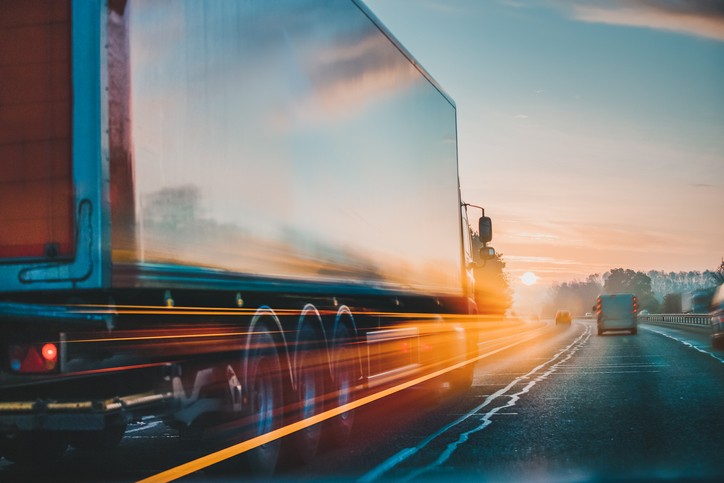
Impact of Infrastructure Development on Interstate Logistics in Rajasthan
Impact of Infrastructure Development on Interstate Logistics in Rajasthan
Rajasthan—India’s largest state by area—is rapidly transforming from a traditionally desert-focused economy into a strategic logistics hub. With its geographic advantage, cultural heritage, and government-led infrastructure initiatives, Rajasthan is uniquely positioned to influence interstate trade and transportation profoundly.
For businesses involved in freight, supply chain management, and interstate logistics, understanding how infrastructure development reshapes the landscape is essential. This blog explores the multifaceted impacts of infrastructure growth on interstate logistics in Rajasthan, highlighting opportunities, challenges, and strategic pathways for logistics providers and shippers alike.
1. Introduction: Why Rajasthan Matters in Interstate Logistics
Rajasthan’s location makes it a gateway between northern, western, and central India. It borders states like Gujarat, Punjab, Haryana, Madhya Pradesh, and Uttar Pradesh, and lies close to major ports in western India such as Kandla and Mundra. Traditionally, logistical operations in and through the state faced challenges like long distances, limited connectivity, and harsh terrain.
However, over the past decade, focused investments in road networks, railways, multi-modal logistics parks, and digital infrastructure have started to rewrite the story. Today, Rajasthan is emerging as a critical link in India’s supply chain ecosystem—and businesses are beginning to reap the benefits.
2. Better Connectivity, Faster Movement
a. Expanded Highway Network
One of the most visible impacts of infrastructure development in Rajasthan is the expansion and modernization of highways. The Golden Quadrilateral, North-South and East-West Corridors, and state highways have reduced transit times across long distances. For interstate logistics, this means:
- Reduced travel time: between cities like Jaipur, Jodhpur, Bikaner, and Kota.
- Fewer bottlenecks and traffic delays: , particularly near urban centers.
- Improved safety and reliability : for freight carriers.
Road improvements have also made remote regions more accessible, allowing logistics operations to expand beyond traditional urban trade centers.
b. Seamless Rail Connectivity
Rail infrastructure in Rajasthan has seen upgrades, including electrification, new freight corridors, and faster passenger services. The Dedicated Freight Corridor (DFC), once fully operational through or adjacent to Rajasthan, will significantly enhance freight capacity. Rail improvements benefit interstate logistics by:
- Offering cost-effective long-haul transport options for bulk cargo.
- Enabling intermodal integration with road and container freight stations (CFS).
- Reducing dependency on road transport for long distances.
3. Growth of Logistics Parks and Warehousing Facilities
a. Multi-Modal Logistics Parks (MMLPs)
The development of Multi-Modal Logistics Parks is a game-changer for interstate logistics. These parks integrate rail, road, and sometimes air transport facilities, along with warehousing, cold storage, and customs clearance services.Benefits include:
- Faster transfer of goods between transport modes.
- Economies of scale through consolidated freight handling.
- Reduced cost of inventory storage and handling.
For logistics service providers and businesses shipping across state borders, MMLPs create hubs that streamline operations—minimizing delays and improving asset utilization.
b. Warehousing and Storage Solutions
As businesses expand their presence in Rajasthan, modern warehousing facilities—equipped with technology like inventory tracking, climate control, and automated handling—are proliferating. These facilities:
- Support just-in-time (JIT) inventory strategies.
- Reduce breakdown risks by offering secure storage.
- Enhance last-mile delivery efficiency.
Such warehousing improvements benefit interstate logistics by enabling better demand planning and reducing stockouts or excess inventory.
4. Digital Infrastructure and Technology Adoption
a. Real-Time Tracking and Visibility
Infrastructure development isn’t just physical. Digital infrastructure—like GPS tracking, telematics, and logistics management software—is revolutionizing interstate freight movement. These technologies allow:
- Real-time visibility into shipment status.
- Predictive analytics for route optimization.
- Automated documentation and compliance handling.
Logistics providers can now offer transparent, predictable services—reducing uncertainty for shippers and customers.
b. E-Way Bills and Digital Compliance
The adoption of e-way billing systems and digital documentation has reduced administrative delays at state borders and checkpoints. Trucks no longer wait in queues for manual processing, which significantly reduces lead times and improves efficiency.This digital evolution supports:
- Faster border crossing procedures.
- Reduction in paperwork errors.
- Improved compliance with interstate regulations.
5. Economic Benefits for Businesses and the State
a. Lower Logistic Costs
Improved infrastructure directly lowers the cost of interstate logistics. Better roads, efficient rail links, and modern logistics parks reduce fuel costs, transit time, and handling expenses. For businesses, this translates to:
- Lower transportation spend.
- Higher profit margins.
- Greater price competitiveness in national markets.
b. Boost to Trade and Investment
As logistics become more efficient, Rajasthan becomes more attractive for businesses seeking to expand or relocate. Efficient transportation networks encourage:
- New manufacturing units.
- Distribution centers.
- Export-oriented businesses.
More investment leads to job creation, wealth generation, and economic growth—benefiting both local communities and interstate commerce.
6. Environmental and Safety Considerations
a. Reduced Carbon Footprint
Improved infrastructure often leads to more fuel-efficient routes and reduced congestion. Using rail for long-haul shipping and better road networks decreases emissions per ton of freight moved.Rajasthan’s focus on sustainable transport—including alternative fuel stations and electric vehicle incentives—further enhances the environmental benefits of efficient logistics.
b. Enhanced Road Safety
Better quality roads and modern traffic management systems reduce accident risks for freight carriers. Improved safety not only protects drivers and goods but also lowers costs related to damage, insurance, and litigation.
7. Addressing Challenges in Interstate Logistics
While Rajasthan’s infrastructure development offers clear advantages, some challenges remain:
a. Last-Mile Connectivity in Remote Areas
Despite improved highways and rail lines, some rural regions still face last-mile connectivity issues. Narrow roads, limited transport options, and seasonal obstacles can affect service quality.
Solving this requires continued investment in rural road networks and smaller logistics hubs.
b. Skill Gaps and Technology Adoption
Not all logistics providers are equipped with the latest technology or skilled personnel. Widespread adoption of digital tools and training programs is essential to maximize the benefits of infrastructure upgrades.
c. Regulatory and Policy Alignment
Smooth interstate logistics depends on consistent policies across states. Harmonizing regulations, taxes, and enforcement across neighboring states will further reduce delays and inefficiencies.
8. Future Outlook: Rajasthan as a Logistics Powerhouse
Looking ahead, Rajasthan’s strategic initiatives point toward an even more integrated logistics ecosystem:
a. Expansion of High-Speed Corridors
Upcoming expressways and freight corridors will shorten delivery times and support high-volume freight movement.
b. Growth of Smart Cities and Industrial Clusters
With smart city projects and industrial corridors gaining momentum, logistics demand will rise. Efficient infrastructure will be key to meeting this demand while maintaining cost-effectiveness.
c. Integration with National Logistics Initiatives
National programs like the Bharatmala Project, Sagarmala, and the Logistics Efficiency Enhancement Program (LEEP) complement state efforts. As these initiatives expand, Rajasthan stands to benefit from improved connectivity to ports, economic zones, and national markets.
9. How Jyoti Freight Fits into Rajasthan’s Logistics Transformation
At Jyoti Freight, we understand that infrastructure upgrades create both opportunities and expectations. Here’s how we help businesses capitalize on Rajasthan’s logistics evolution:
1) End-to-End Logistics Solutions
From interstate road freight to intermodal integration and warehousing support, we manage the entire supply chain with precision and responsiveness.
2) ETechnology-Driven Operations
We leverage tracking systems, analytics, and digital documentation to ensure reliability, transparency, and compliance across state lines.
3) Customized Freight Strategies
Every business has unique needs. Our customized logistics plans optimize routes, minimize cost, and improve delivery predictability.
4) Expert Knowledge of Regional Dynamics
With deep experience in Rajasthan and across India, we navigate regulatory requirements, infrastructure nuances, and interstate policies with ease.
Conclusion: Infrastructure as the Backbone of Interstate Logistics
Infrastructure development in Rajasthan is more than roads and warehouses—it’s a catalyst for economic growth, business expansion, and supply chain excellence. From improved connectivity and reduced transit times to cost savings and environmental resilience, the impact on interstate logistics is transformational.
As infrastructure continues to evolve, businesses that align with forward-thinking logistics partners like Jyoti Freight will enjoy competitive advantages, seamless operations, and sustainable growth.
Efficient logistics is no longer optional—it’s essential. And in Rajasthan, the future of interstate freight has never looked more promising.